
Car lighting has come a long way from simple bulbs bolted onto the front of a vehicle. Today, headlights are a key part of a car’s identity — they reflect the brand, the design language, and increasingly, they communicate with the world around them.
Major exterior lighting components include headlights, daytime running lights, taillights, and signal lights. With the rise of intelligent driving, automotive lighting is moving toward smart, automated systems like Micro LED, DLP projection headlights, OLED, Mini LED, pixel LED headlights, adaptive driving system (ADS) lighting, and projection signal light technology.
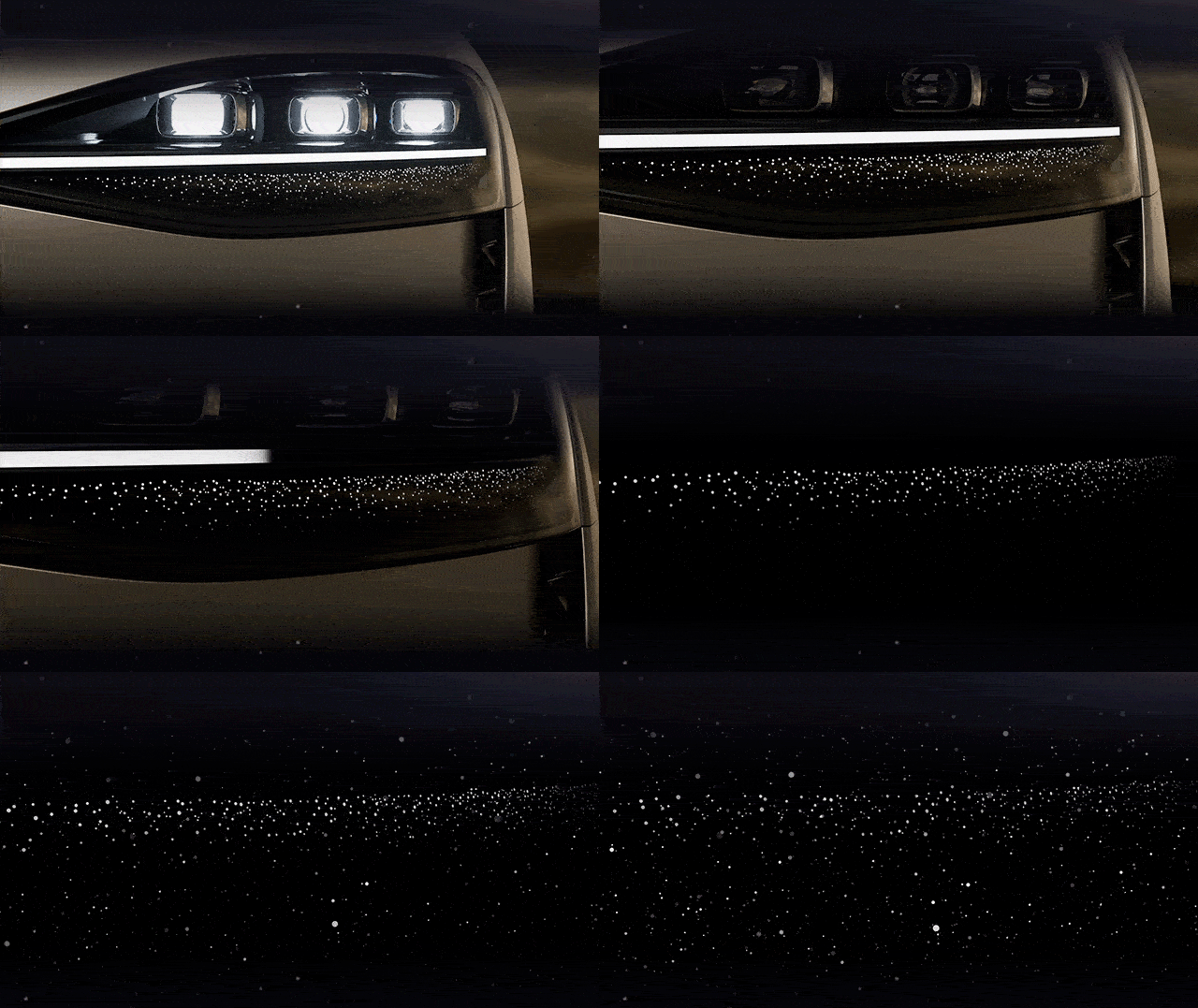 automotive lighting design” class=”wp-image-1119″/>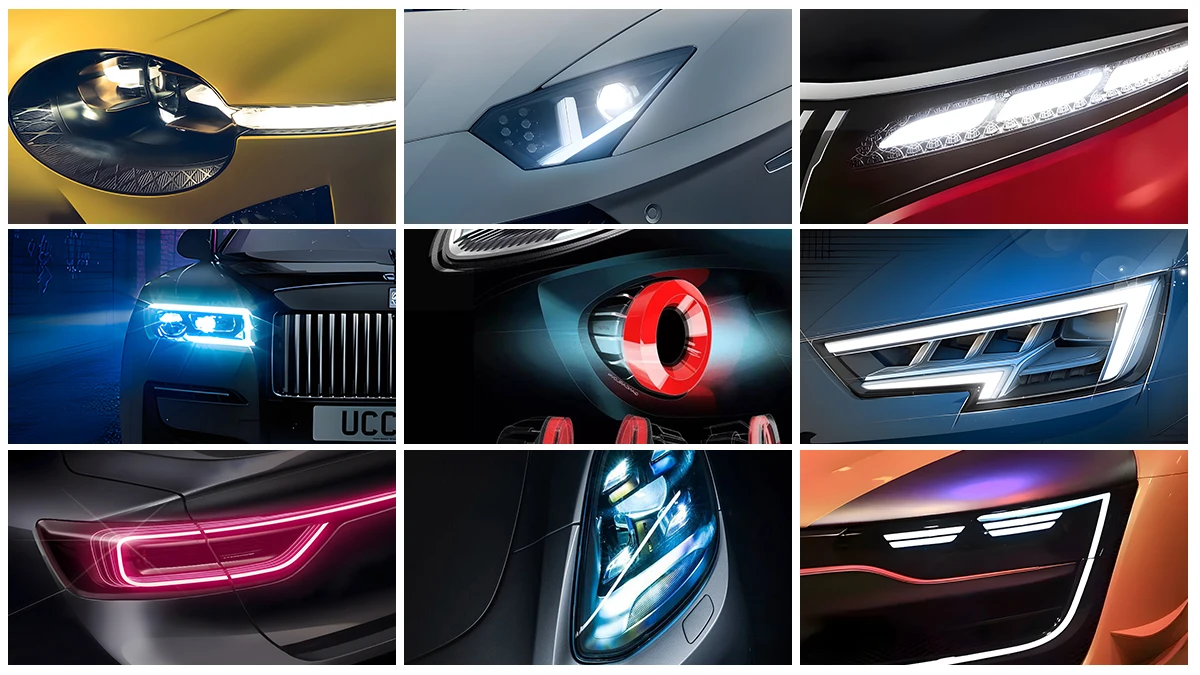
Here’s a look at the latest automotive lighting designs from major brands.
Latest Automotive Lighting Designs
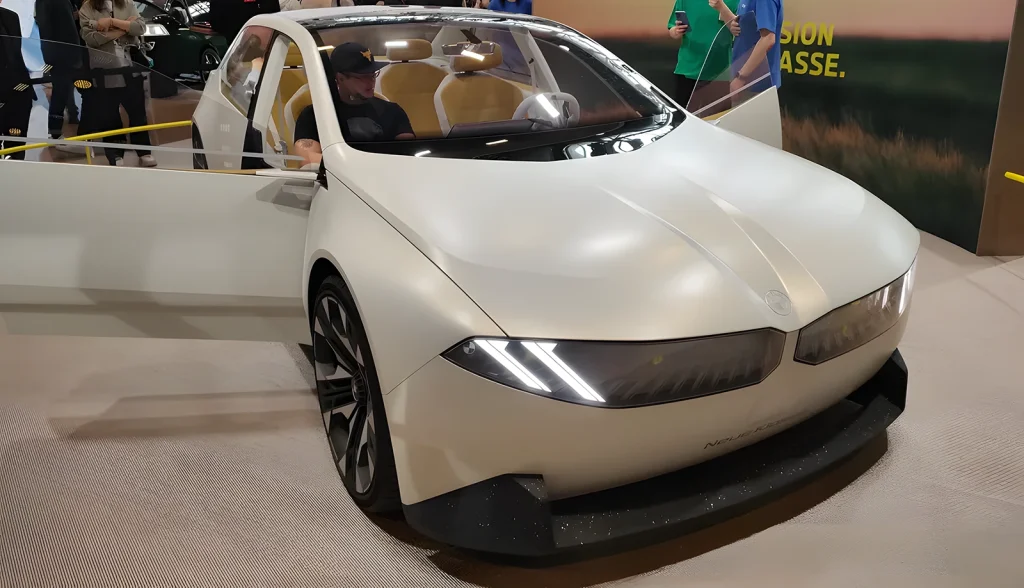
01. BMW Vision Neue Klasse
BMW’s new generation concept car blends classic design with futuristic tech. The front and rear lighting is bold, combined with sharp body lines. The kidney grille merges seamlessly with the headlights, using layered lighting effects that feel both high-tech and dreamy.
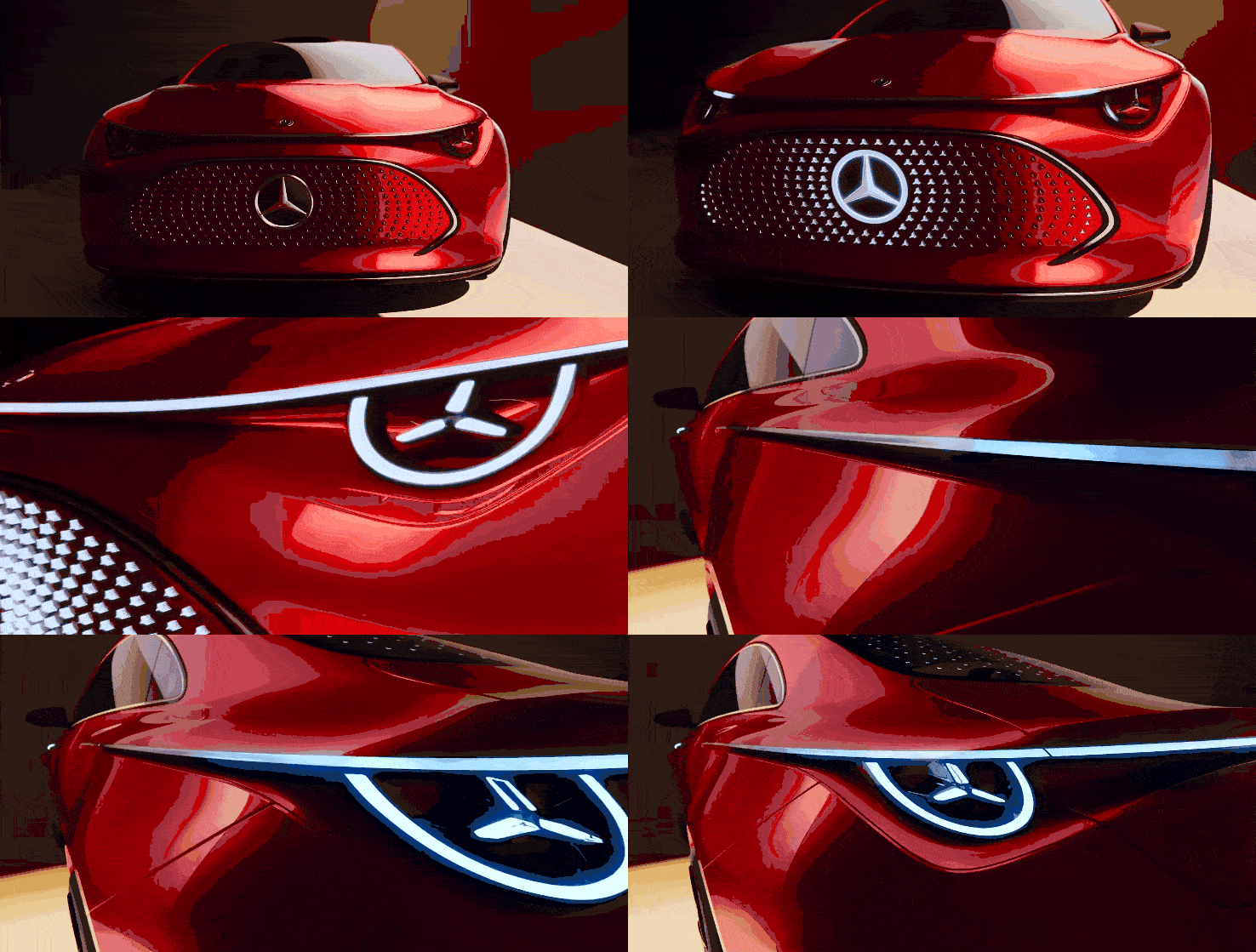
02. Mercedes-Benz CLA Concept
The CLA concept reinterprets the “Sensual Purity” design language with star-emblem LED light groups front and rear, a continuous DRL strip, and a 3D star-emblem grille. The grille acts as a digital canvas — each star emblem can light up, coordinating with the headlights and taillights in welcome mode.
03. Audi Q6L e-tron
Audi’s Q6L e-tron uses a split headlight design up front. Unlike the slim DRLs we’ve gotten used to on EVs, the Q6L features active digital daytime running lights with 70 LED sources inside. They function like mini displays, letting drivers create personalized lighting signatures. The illuminated four-ring logo adds to the nighttime presence.
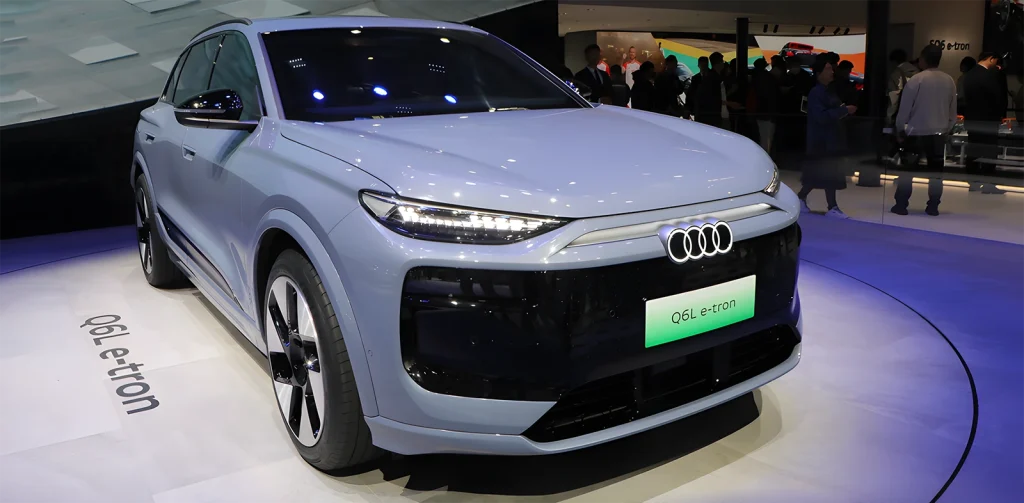
Out back, second-gen digital OLED taillights use six OLED panels (60 units each) and can communicate with other road users — even displaying a triangle warning in dangerous situations.
04. Volkswagen ID. CODE
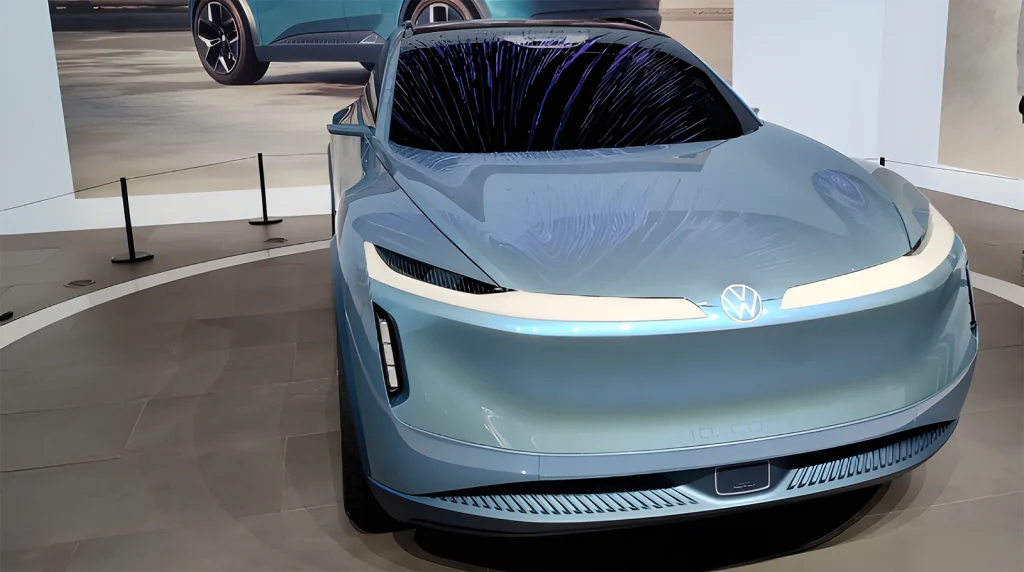
The ID. CODE is equipped with an AI-powered “light cloud” system made of 3D micro-prisms that play animations. In L4 autonomous mode, the lights display rotating blue eyes to tell pedestrians the car is driving itself. The rear can show customized effects, like thanking other road users.
05. Infiniti Vision Qe
Infiniti’s electric concept features a compact front end with digital piano key lines outlining the headlights, grille, and lower bumper — combined with an illuminated Infiniti logo. The rear uses lettering instead of a logo, adding a sci-fi touch.
06. Volvo EX30
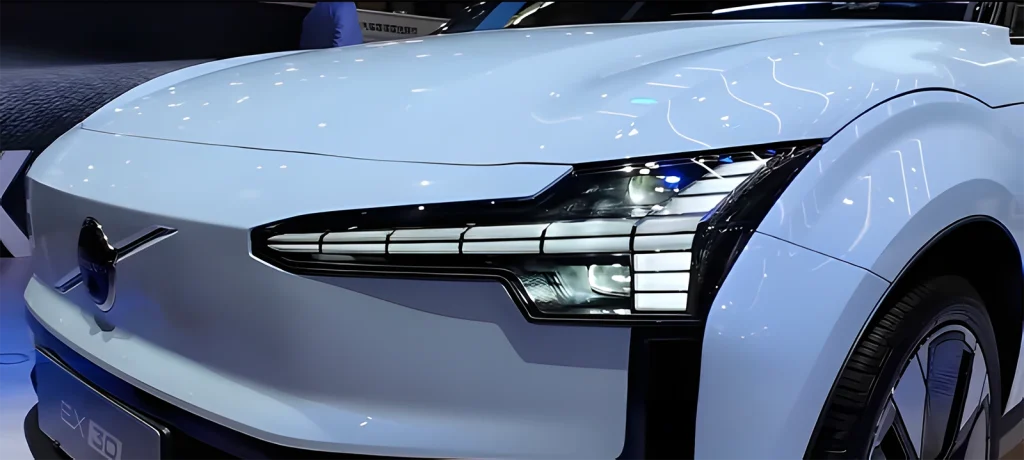
The EX30 keeps Volvo’s signature “Thor’s Hammer” LED headlights, now in pixel style. The closed-off EV grille and centered Volvo logo keep the front clean and recognizable.
07. Honda Lingxi L
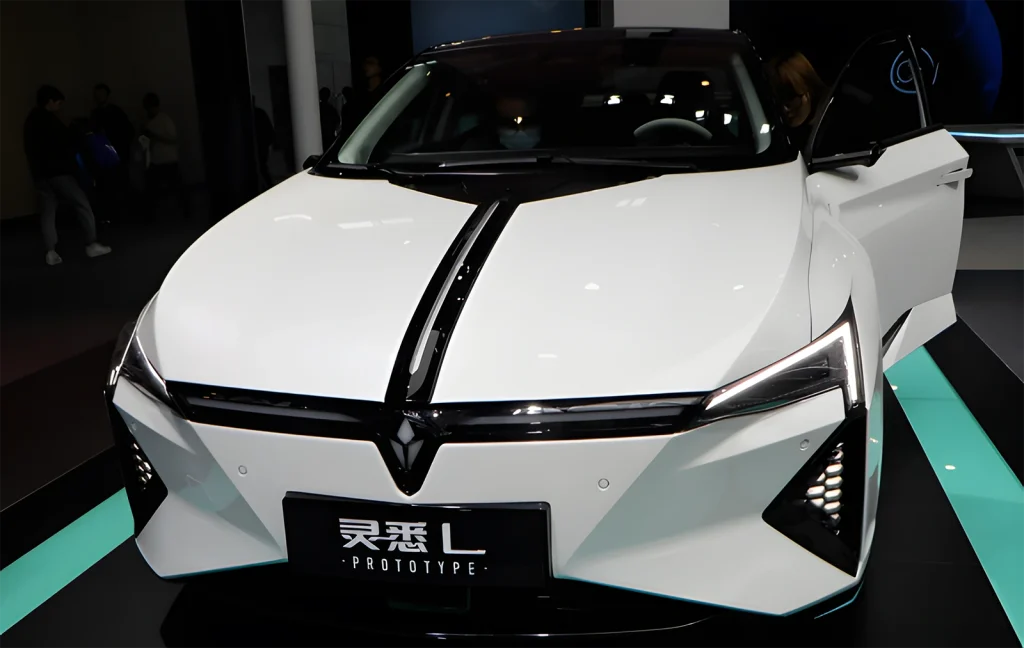
The Lingxi L uses triangles as its core design language — from the “Three Spread Wings” front to the ducktail rear. The illuminated Lingxi logo sits prominently at the front, with three light wings extending outward. The through-type taillights and honeycomb brake lights maximize the warning effect.
08. Ji Yue 07
Ji Yue 07 features a Y-shaped front light group with AI pixel lighting and voice interaction. The rear uses slender through-type taillights with Y-shaped ends that echo the front.
09. Mazda EZ-6
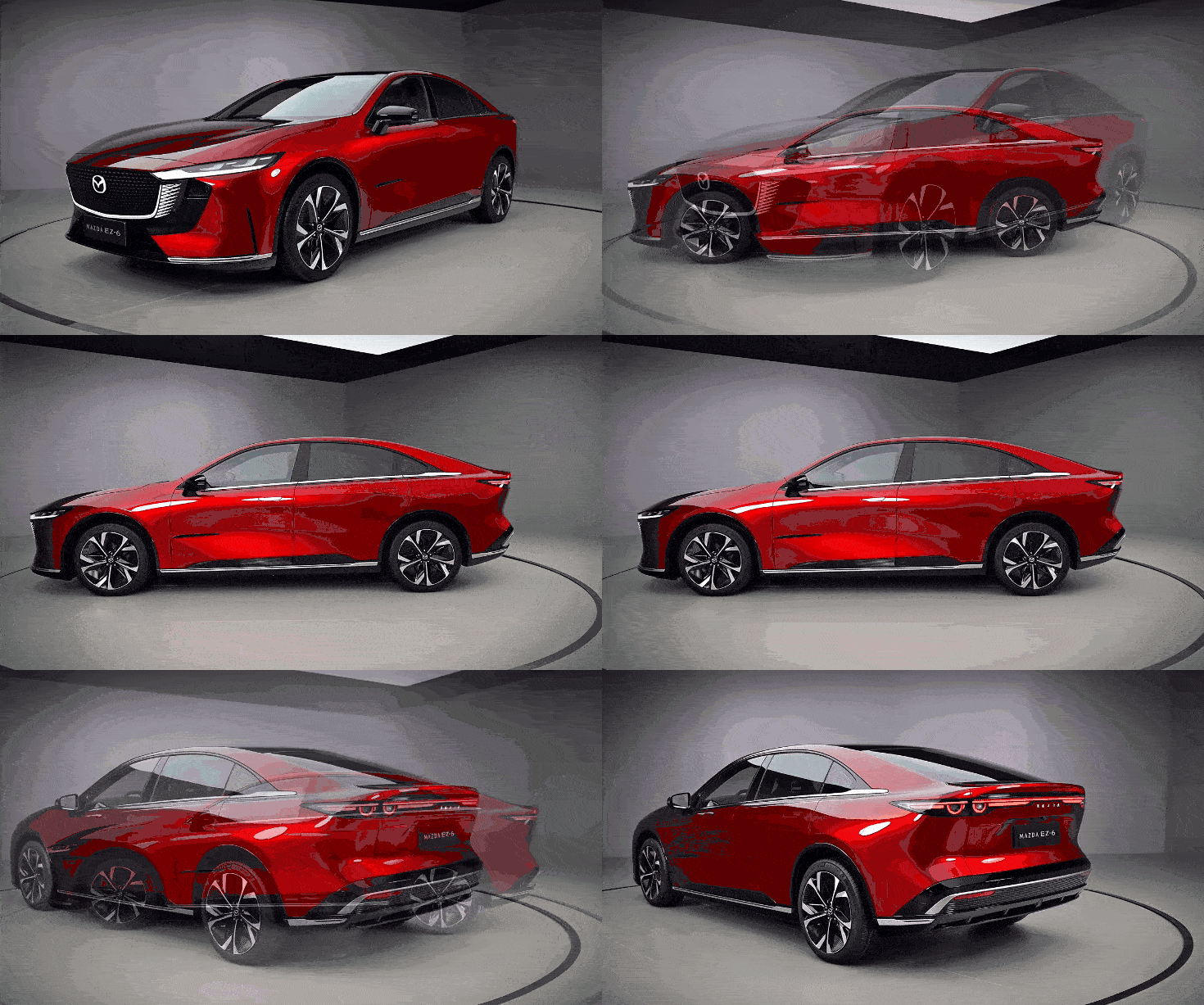
Mazda’s EZ-6 brings the illuminated Mazda Wing design to the front, using a laser starlight grille and a 3D electroplated illuminated logo. The split headlight structure hides the main light source below the DRLs. Out back, the cannonball round lights are integrated into a through-type design.
10. Changan Qiyuan E07
The Qiyuan E07 uses a closed front with an illuminated logo, DRLs integrated into the trim panel, and a C-shaped taillight design that echoes the front lights.
Parametric Design in Automotive Lighting
Parametric design creates patterns with rhythm and complexity through computer algorithms. It’s like engineering meets geometry in 3D space. Originally from architecture, it’s now a hot trend in automotive design.
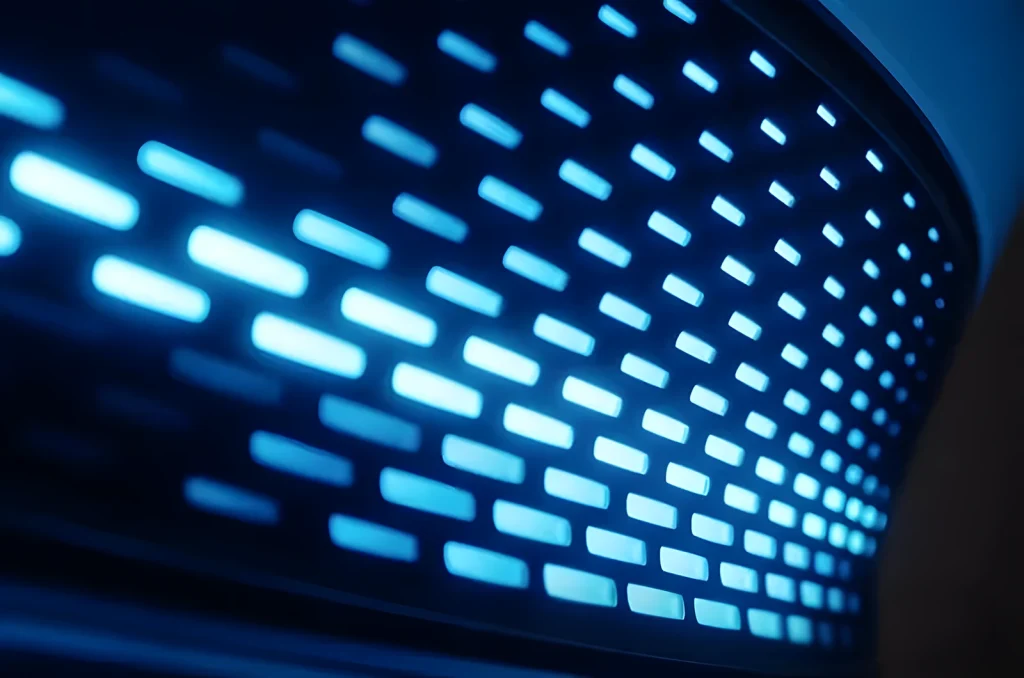
These parametric textures on automotive lights are usually done through mold laser texturing — processed directly on production molds, then injection molded. This approach produces complex 3D textures efficiently, suitable for mass production at low per-unit cost.
Some parametric lighting examples: Audi Activesphere, Changan Viia, Yangwang U8+U9, Geely Galaxy Light, GAC Van Life, Hyundai Kona, Renault Espace, and Volkswagen ID.7.
Wrap Up
Car headlights are getting smarter and more interactive. Illuminated logos, smart grilles, through-type taillights, and AI-driven lighting are becoming standard. The trend is clear — automotive lighting is no longer just about seeing the road. It’s about communication, personalization, and brand identity.
